Roofing · Holloway, London
Chimney & Leadwork in Holloway, London
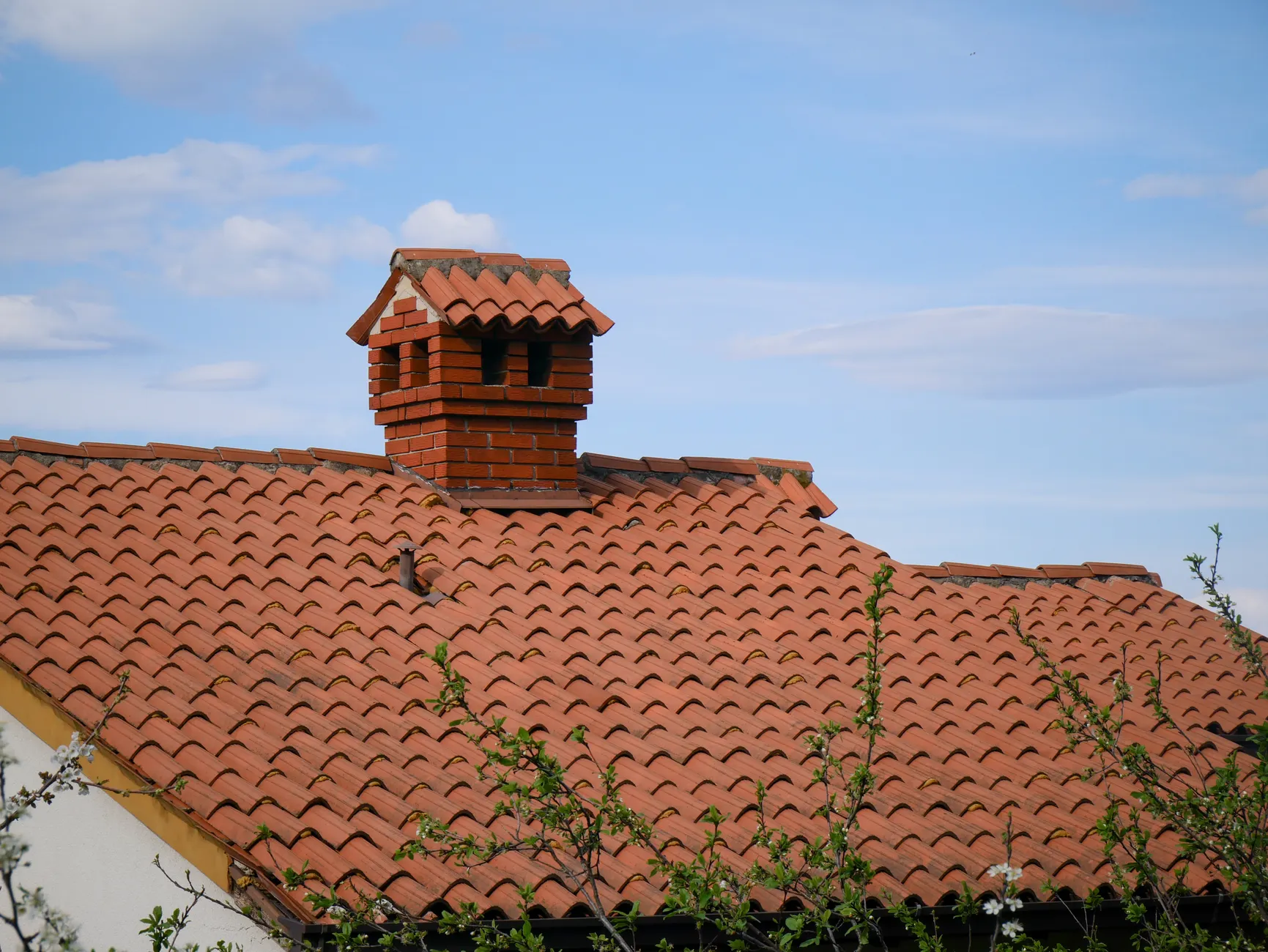
Walk along a Holloway terrace and look up: the skyline is a line of brick chimney stacks, each one a small tower with a lead collar where it meets the roof. Affordable Roof Repair London gets more calls about that collar than almost anything else, because the point where a chimney meets a roof is the most common place a Victorian house leaks. The partner roofing company we send looks at the stack, the pointing, the flashings and the flaunching as one system, since a fault in any of them lets water down into a bedroom.
Most of the district's stacks are party-wall chimneys serving the fireplaces of two or three houses, built in the 19th century in London stock brick and lime mortar. Frost, rain and decades of smoke and condensation wear that mortar away, and the cement repointing applied in past decades is often harder than the brick, so it traps moisture and spalls the faces. Lead flashings around the base are cut into the joints and dressed over the slates, but lead moves with temperature, and a flashing that was fitted too rigid or too thin cracks along its folds.
A different problem sits behind the parapets of the Georgian terraces in Barnsbury and Highbury. There the roofs are shallow, the valley is hidden, and the lead-lined parapet gutter carries rainwater along behind the brickwork to a downpipe. If that gutter blocks or its lead splits, it overflows inwards, and the first sign is a ceiling stain two floors down. The same repair logic applies: sound lead, correct falls and well-dressed flashings, built to BS EN 12588 for the sheet and the right code of lead for each position.
Published London guides put a chimney flashing repair at roughly £300 to £600 for a straightforward stack, minor lead re-dressing at £100 to £250, and full replacement of a chimney flashing at £450 to £950, with scaffolding adding £500 to £1,200 where needed. They are guides, not our quote. Call 07883 305739 and the partner company will survey the stack from the roof and put the repair and its cost in writing before work starts. See also roof repair for the wider picture.
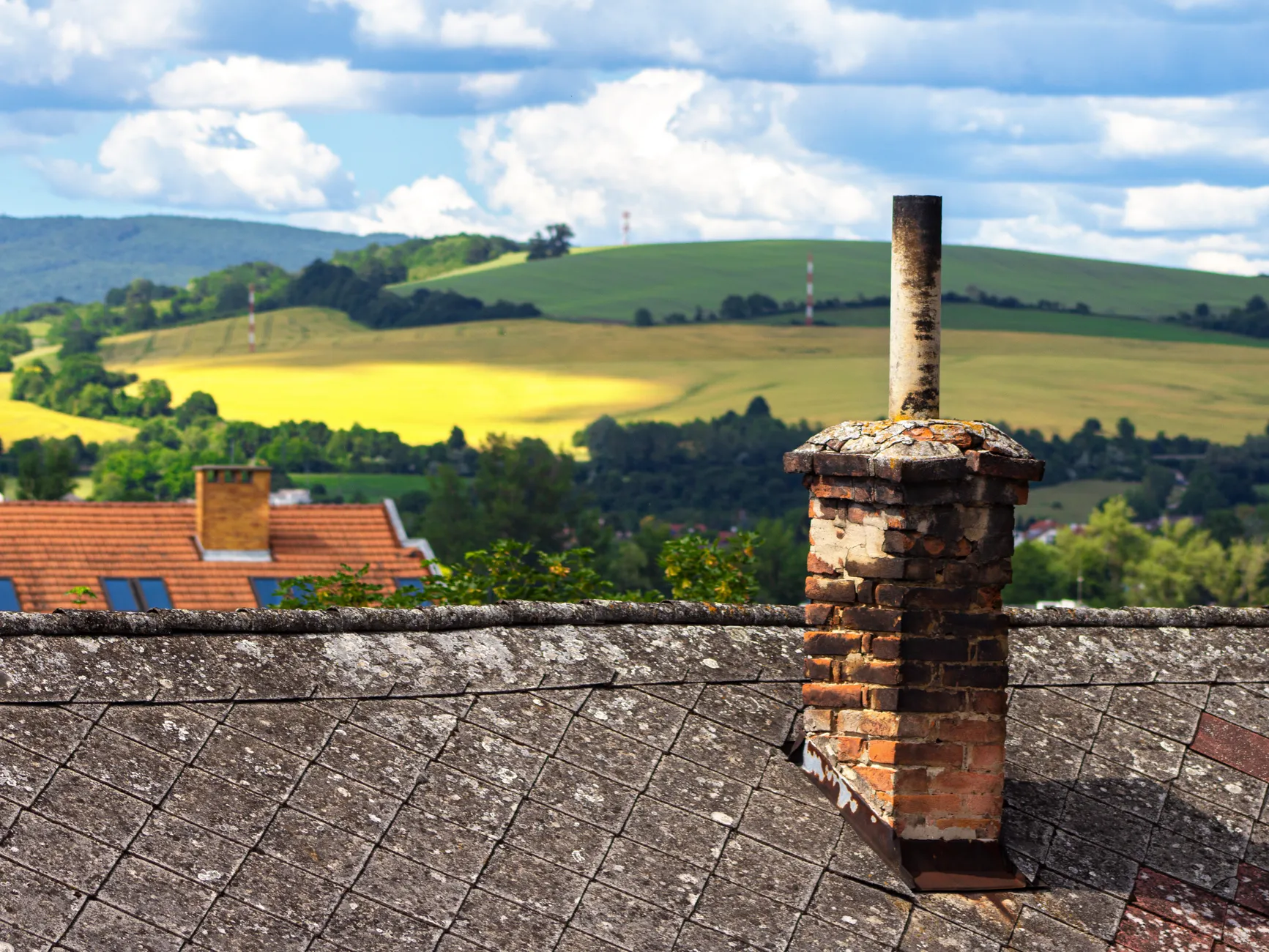
Tall stacks also carry a safety dimension that a leak does not. A chimney that has lost mortar from its upper courses, or whose pots sit on a cracked flaunching, can drop material onto the roof or the pavement below, and in a dense terrace that means a neighbour's property as well as your own. The partner company inspects the stack from the roof, taps the brickwork, looks for lean and cracking, and tells you honestly whether repointing will do or whether the top courses need to come down and be rebuilt.
Tufnell Park's Victorian villas, built mainly between 1845 and 1890, and the larger houses of Highbury New Park have more stacks per roof than a plain terrace, each with its own flashing and its own chance of failing. Because the lead around each stack was fitted at a different date, a single survey often finds one sound stack and one nearly finished beside it. That is why the written quote lists each stack and flashing separately, so you can see exactly where the money goes.
What We Do
Chimney and Leadwork Faults Around Holloway
A stack, its flashings and the lead gutters beside it fail in a recognisable pattern.
Repointing and Rebuilding Chimney Stacks
Eroded joints, spalled brick faces and a leaning pot or cracked flaunching are the signs that a stack needs work. The partner company will repoint in a lime or compatible mortar rather than a hard cement, rebuild the top courses if they are loose, and re-bed the pots on a sound flaunching. A stack that has moved or is badly cracked may need to be taken down and rebuilt to a safe height, which matters on a party wall shared with a neighbour.

Lead Flashings, Soakers and Stepped Aprons
Where the stack meets the roof, lead flashings are cut into the brickwork and dressed over the slates, with soakers beneath the covering and stepped flashings up the sides. A mortar fillet in place of lead is a leak waiting to happen, because the fillet cracks as the building moves. Re-leading in the right code to BS EN 12588, with each piece kept short enough to move with temperature, is what stops the same stack leaking again next winter.

Valleys, Box Gutters and Parapet Gutters
Behind the parapets of Barnsbury and Highbury terraces, and in the valleys between Holloway roofs, lead-lined gutters carry a heavy volume of water. They split along welds and folds, they block with leaves and debris, and they can overflow inwards for months before a stain appears. Clearing, re-lining or replacing the lead, and checking the falls and outlets, restores the gutter so the water leaves the building rather than entering it.
The Benefits
Why Lead Done Properly Lasts
Lead is a long-life material, but only when the right thickness is used in the right place and allowed to move.
The Right Lead Code for the Job
Different positions use different thicknesses of rolled lead, from lighter code for soakers to heavier code for valleys and gutters. Using the wrong one is a false economy, because thin lead fatigues and splits. The partner company should specify the code in the written quote.
Joints Allowed to Move
Lead expands and contracts with temperature, so long pieces creep and crack. Short lengths, correct lap and welt details, and securing clips let each piece move freely, which is why a well-made flashing can last for decades while a smeared repair fails within a season.
Fixing the Cause of the Stain
Because a chimney leak often shows as damp on a chimney breast two storeys below, the stack, the flashing and the nearby valley are all checked together. Fixing the entry point, not the stain, is what ends the cycle of redecorating and re-leaking.
Why Us
Leadwork for North London Terraces
We have taken Victorian-stack and parapet-gutter calls across Holloway, Highbury and Barnsbury since 2008.
Party-Wall Stacks Understood
A stack shared between houses needs agreement from neighbours, careful propping when work is done, and attention to whether a flue is still in use. We raise these points early so the written quote is realistic and the stack is dealt with safely.
Listed and Protected Streets
Chimney stacks and lead on street-facing roofs inside Islington conservation areas and on listed buildings are protected, with like-for-like materials expected. We flag that at the first call so you know what the street allows before the survey.
Joined Up With the Rest of the Roof
A leaking stack can sit above worn slates or a failing valley. See slate and tile repair and re-roofing for those, Roofing in Highbury and Roofing in Barnsbury for the parapet-roof streets, or every roofing service.
Stacks and lead rarely fail in isolation. See roof repair for wider leak tracing, flat roof repair and replacement where a stack meets a rear addition, and roof replacement and re-roofing when the covering around the stack is also finished. The same cover reaches Roofing in Highbury, Roofing in Barnsbury and Roofing in Finsbury Park.
Frequently Asked Questions
Why does the area around my chimney leak so often?
The junction between a stack and a roof is where several materials meet and move at different rates: brick, mortar, lead and slate. A cement fillet in place of a lead flashing cracks as the building moves, and an old flashing can split along its folds. Victorian party-wall stacks also gather several of these weaknesses at once, and a wet London winter finds every one. Re-leading to BS EN 12588 with proper soakers is the lasting repair.
How much does chimney flashing repair cost in London?
Published 2026 London guides put a chimney flashing repair at roughly £300 to £600 for a straightforward stack on an accessible roof, minor lead re-dressing at £100 to £250, and a full chimney flashing replacement at £450 to £950. Scaffolding adds £500 to £1,200 when it is needed. These are indicative guides rather than our quote, so rely on the partner company's written quote after survey.
What is the difference between a flashing and a soaker?
A soaker is a small piece of lead or other metal fitted under each slate or tile where a roof meets a vertical surface, directing water on to the covering below. A flashing is the lead cut into the brickwork and dressed over the top of the covering to seal the junction, often stepped up the side of a stack. Together they form a weathertight joint that can move, and both need to be renewed together for a lasting repair.
Can a chimney stack be repointed rather than rebuilt?
Often yes, if the brick faces are sound and the stack is not leaning or cracked. The partner company will rake out the eroded joints and repoint in a compatible lime-based mortar, which lets moisture escape rather than trapping it as hard cement does. If the top courses are loose, badly spalled or the stack has moved, a partial or full rebuild is safer. The survey should say which is needed.
What is a parapet gutter and why do Barnsbury roofs have them?
A parapet gutter is a lead-lined channel running behind a brick parapet wall at the edge of a roof, carrying rainwater to a downpipe. Islington's late-Georgian and early-Victorian terraces, built between the 1780s and 1860s, often combine them with butterfly roofs, so the roof looks flat from the street. If the gutter blocks or its lead splits, water overflows inwards. Our Roofing in Barnsbury covers this style in more detail.
How do I know if my lead valley has failed?
Signs include brown staining on a top-floor ceiling beneath a valley, damp on an internal party wall, visible cracks or holes in the lead, debris building up in the channel and daylight at the edges. Many failures are not visible from the ground. A survey from the roof and loft is the reliable way to check. The partner company will tell you whether the valley can be cleaned and repaired or needs re-lining.
Do I need permission to rebuild a chimney stack in Islington?
A like-for-like rebuild generally does not need planning permission, but a stack on a listed building or in a conservation area may be controlled, and Islington has Article 4 directions in 40 of its 42 conservation areas. Removing a stack entirely or changing its height can need permission. Where the stack is shared with a neighbour, the Party Wall etc. Act 1996 may also apply, and the partner company can advise on notice.
Is a disused chimney a problem?
It can be. A stack with no flue lining and no ventilation at the top can trap damp, and a capped pot without a vent can cause condensation inside the chimney breast. The partner company can advise on capping with a vented cowl, sealing at the base and checking the flashing. If the stack is leaning or unsafe, it should be taken down to a safe level rather than left.
How long does leadwork last?
Lead is one of the longest-lasting roofing materials when the right code is used and each piece can move, and well-made flashings can last for many decades. Failures usually come from lead that is too thin, pieces that are too long and crack at the folds, or repairs made with mastic instead of lead. A properly detailed repair to BS EN 12588 should outlast the covering around it.
Who carries out the work and who do I pay?
An independently owned partner roofing company carries out the work, not an in-house crew of ours. It surveys the stack and flashings, gives you a written quote, does the repair, then invoices you and takes payment directly. We handle no payment or invoices, we text you the company's name before arrival, and if anything goes wrong you ring 07883 305739 and we chase it. See how the network works.

Chimney or Valley Leaking? Get It Traced
A partner roofing company surveys from the roof and quotes in writing. Call 07883 305739.
07883 305739