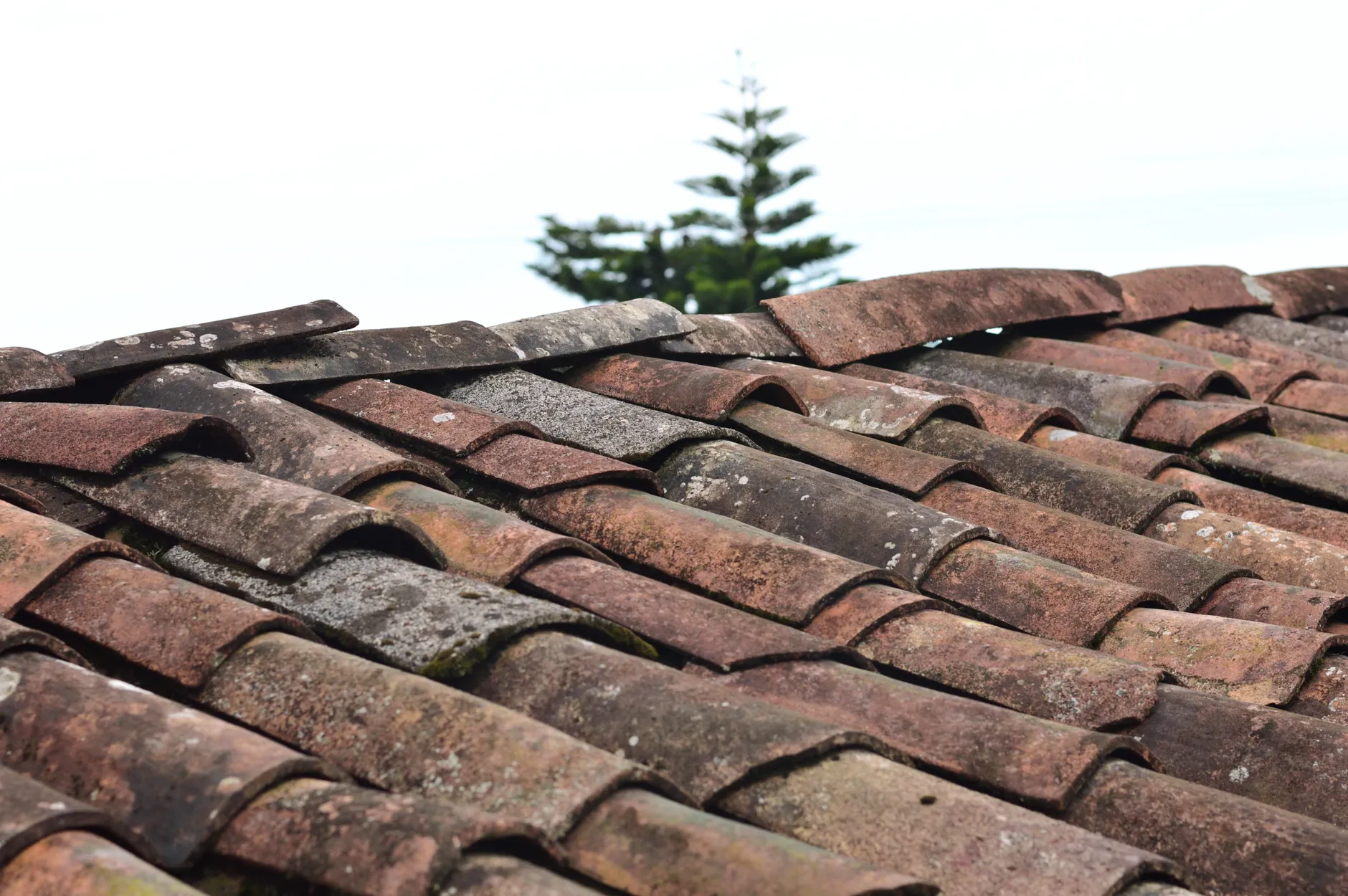
Roofing · Holloway, London
Roof Repairs in Holloway, London
Roof repairs in Holloway usually begin with something small: a slate lying in a front garden off Holloway Road, a brown ring spreading on a top-floor ceiling, a ridge tile that has shifted after a gale. Affordable Roof Repair London takes that call at any hour, and the partner roofing company we send finds out what is really failing before anyone talks about a bigger job. The district sits in the London Borough of Islington, about 3.3 miles north of Charing Cross, and most of its housing is 19th-century terracing that has been patched, converted into flats and re-patched since.
That history shapes the faults. Behind the brick parapets of the older terraces sit shallow roofs with lead-lined valleys and box gutters, and behind the Victorian frontages sit slate pitches with tall party-wall stacks. London gets only around 600 mm of rain a year, roughly 597 mm at Heathrow on the Met Office's 1981 to 2010 averages, but it falls evenly through the year and November is the wettest month at about 68 mm. A small gap in a lead flashing is therefore wetted again and again, and a minor defect turns into rotten timber long before it is noticed.
Our advice is repair-first. If a handful of slates have slipped because their nails have corroded, the affordable fix is to re-fix and replace those, mechanically held to BS 5534, rather than to quote a whole new covering. If a valley is leaking, the lasting repair is to re-line it in the correct lead code to BS EN 12588, not to smear mastic over a crack that will open again with the next frost. Where a roof really is past patching we say so plainly and point you to re-roofing work.
Two Holloway conservation areas, Hillmarton (designated 1990) and Mercers Road/Tavistock Terrace (designated 1989), sit inside the district, and Islington has Article 4 directions on 40 of its 42 conservation areas. Like-for-like repair is normally fine, but changing the roofing material or adding a rooflight on a protected street needs permission, so we raise that at the first call. Ring 07883 305739, open 24 hours, and the partner company that attends will survey and give you a written quote before any work begins.
What We Do
The Roof Repairs Holloway Calls About Most
Three faults account for most of the calls from N7 and N19: coverings that have slipped, leaks that cannot be traced, and wind or storm damage.
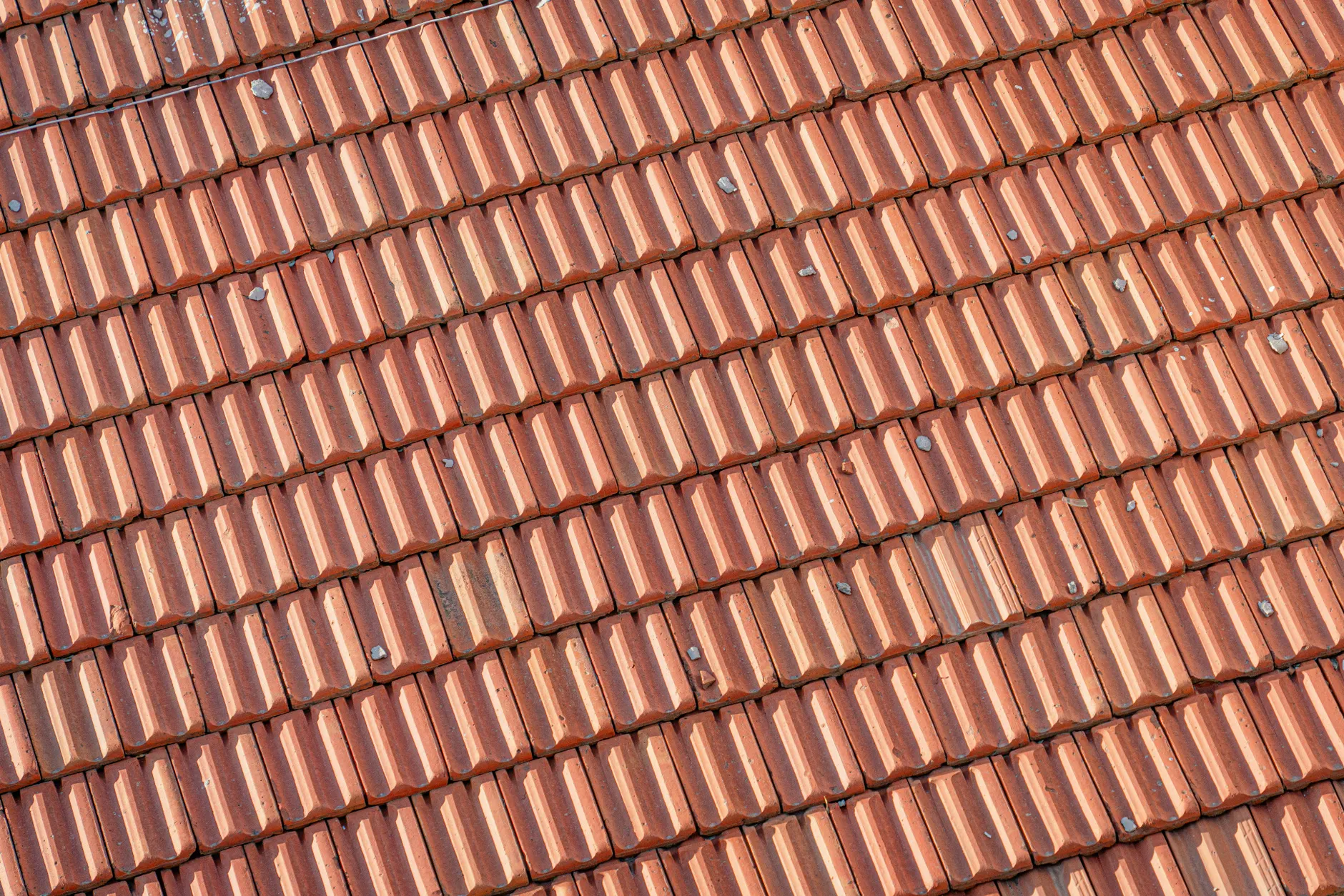
Slipped, Cracked and Missing Slates or Tiles
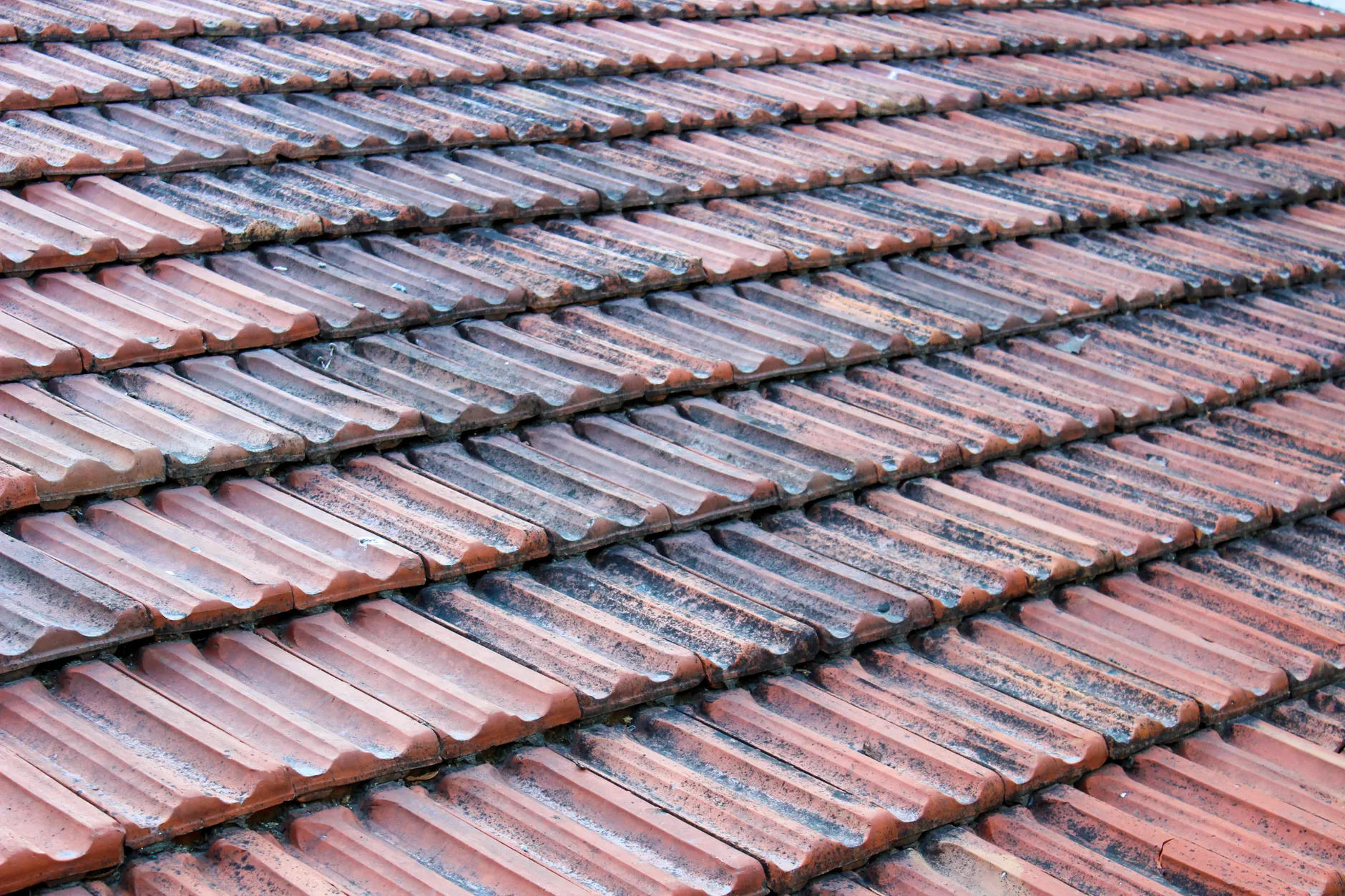
The most common single repair on the Victorian pitches either side of Holloway Road is a slate that has slid down because its fixing nail has rusted through. The slates on either side of it are the same age and usually follow within a season or two, so the partner company checks the courses around the gap rather than replacing one slate and leaving. On later tiled roofs the equivalent is a cracked concrete tile or a broken nib on tired underlay. Each covering is re-fixed or replaced to match and held mechanically to resist wind uplift under BS 5534.
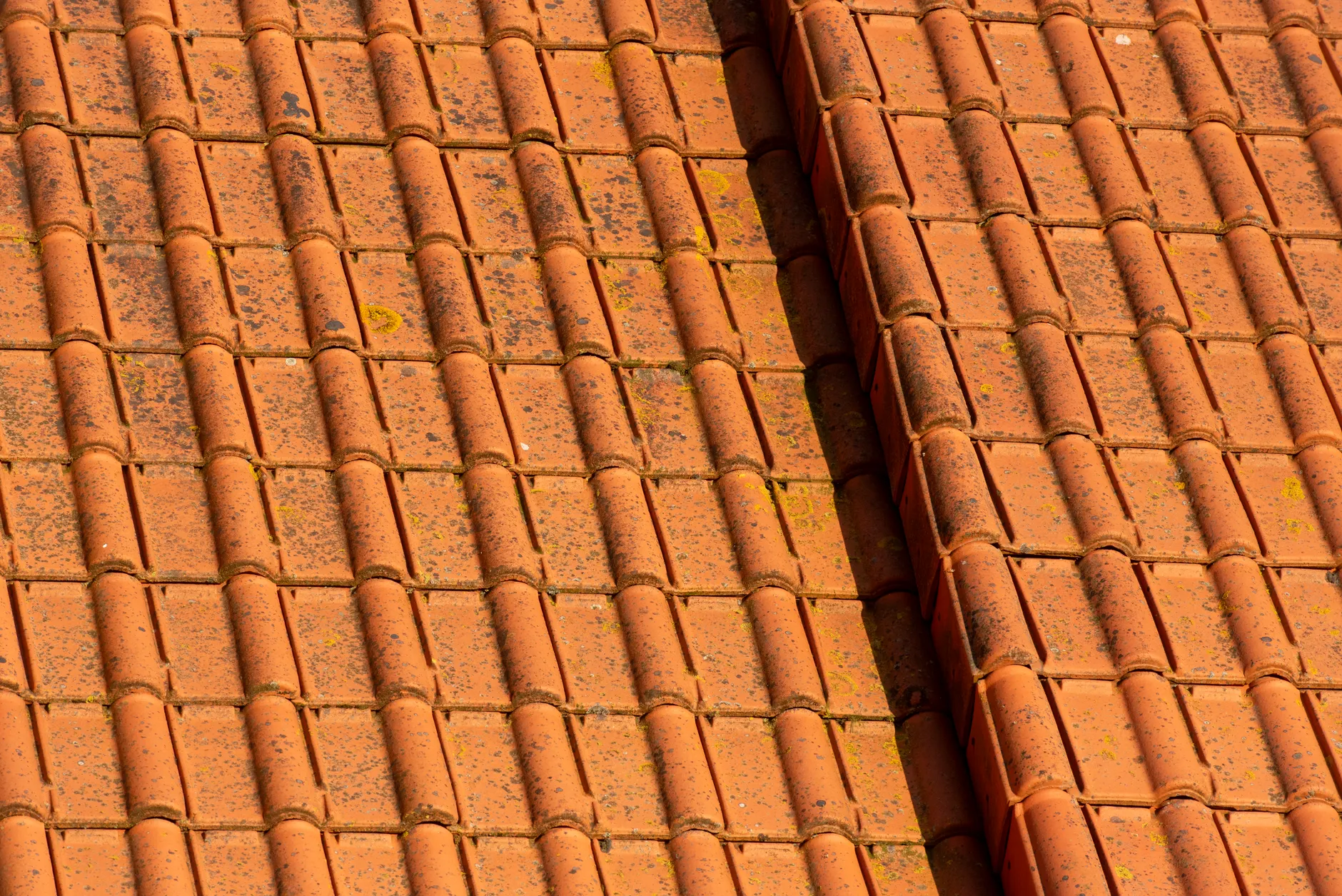
Leak Tracing Into the Loft and Ceiling
A stain on a top-floor ceiling rarely sits under the fault, because water runs down the underlay and along a rafter before it drips. On converted Islington terraces the usual culprits are a split lead valley, a failed back gutter against a party wall, a cracked mortar fillet at a stack or a blocked parapet gutter overflowing inwards. The leak is traced from the roof and from inside the loft, so the repair is made at the true entry point and any lead junction is re-dressed to BS EN 12588 instead of being sealed with mastic that cracks.
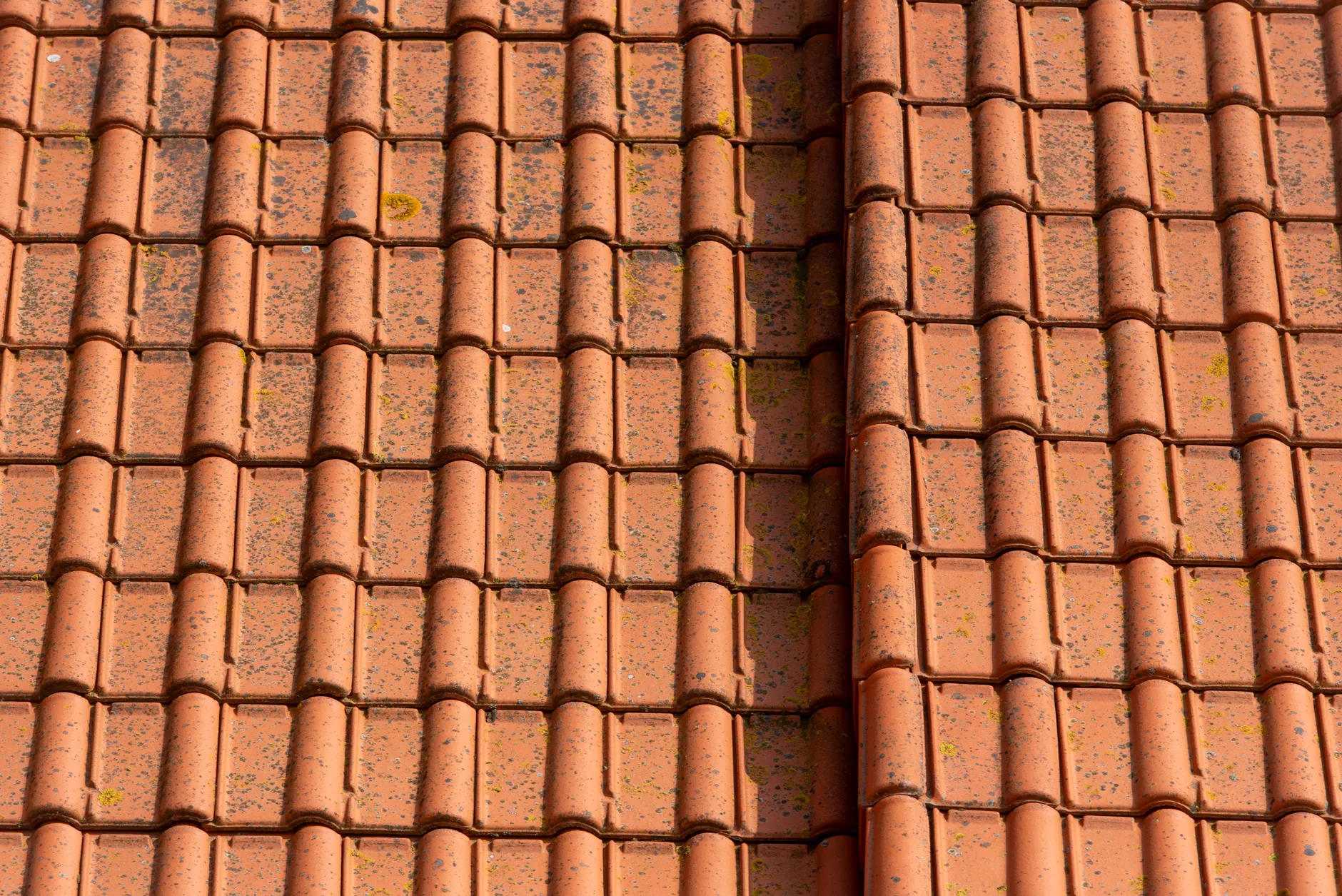
Wind and Storm Make-Safe
When wind lifts a ridge, strips a verge or drops a run of tiles, the first job is to make the roof weathertight, then to put the displaced work back properly. Holloway's roofs sit close together and many are shared between flats, so one loose ridge can affect a neighbour's ceiling too. The partner company sheets the opening, secures loose material and photographs the damage for your insurer before the permanent repair is scoped. See storm damage repair for the full call-out process.
The Benefits
Why a Traced Repair Outlasts a Patch
Even rain and a long run of damp winters are the constants on a London roof, so a repair that ignores why the covering failed tends to return within a season.
A Survey Before the Figure
The written quote follows a proper look at the roof and loft, not a number guessed down the phone. If one slipped slate turns out to be the first sign of widespread nail fatigue, the partner company tells you so and sets out both the patch and the fuller option, leaving the decision with you.
Fixings That Hold Through Winter
Slates and tiles are mechanically fixed to BS 5534 and lead junctions renewed to BS EN 12588, because a re-bedded slate or a mastic-smeared flashing has a short life against a wet London winter. Doing it right the first time is what stops the same slate sliding down the same pitch.
Round-the-Clock When Water Is Coming In
A roof that is leaking now is made safe first and repaired properly second, because water reaching ceilings, insulation and wiring is where a modest fault becomes an expensive one. A prompt make-safe limits that damage while the permanent repair is planned and quoted.
Why Us
How Holloway Households Use Us for Roof Repairs
Eighteen years on one patch of north London, taking calls from the same terraces and villas, since 2008.
We Read the Whole Terrace Roof
Many Holloway houses share party-wall stacks and valleys with their neighbours, so a leak above one front door often traces to a feature serving several houses. The survey checks the wider run while access is up, rather than swapping the one slate that happened to fall.
We Know Which Streets Are Controlled
Hillmarton and Mercers Road/Tavistock Terrace are designated conservation areas, and Islington applies Article 4 controls across most of its 42. We flag at the first call whether your street is likely to need like-for-like materials or permission, so the quote reflects reality.
One Number That Stays on the Job
From Upper Holloway out to the Finsbury Park page, the Highbury page and the Barnsbury page, you ring the same line, and we text you the partner company's name before anyone arrives. See roofing services overview for the rest, from chimney leadwork to flat roofs.
Roof faults rarely travel alone. A leak near a stack often points to chimney leadwork, a tired rear extension belongs with flat roofs, and blocked runs behind the eaves belong with rainwater goods. Where a roof is genuinely past patching, see re-roofing work. The same cover reaches the Finsbury Park page, the Highbury page and the Barnsbury page.
Frequently Asked Questions
Why do Holloway roofs leak more as they age?
Most of Holloway's housing is Victorian and Edwardian terracing, so the slates, nails and lead on a typical roof are well over a century old. London's rain is modest at roughly 600 mm a year but spread evenly through every month, which keeps joints and fixings wet and encourages corrosion. Lead flashings and valley linings also move with temperature and eventually crack. The result is that small defects accumulate until water finds a way in, which is why a survey of the whole roof is worth having.
One slate has slipped on my terrace. Will there be more?
Often yes, because the nail holding one slate is usually the same age as its neighbours along the batten. When one has corroded through and let go, the others are corroding at their own pace and commonly follow within a season or two. That is why the partner company checks the surrounding courses during a repair instead of replacing the single slate that fell. If the fixings are widely tired they will explain both a patch and a fuller option.
My ceiling is stained but I cannot see a hole. How is the leak found?
Water seldom drips straight down from where it gets in, because it runs under slates, along battens and down rafters before it finds somewhere to fall. The partner company traces the leak from the roof and from inside the loft, looking for slipped slates, a split valley, a cracked fillet or a failed flashing. Finding the real entry point first means the repair fixes the cause rather than the wet patch, and it avoids paying twice.
How quickly can a roofer come out for a leak?
The phone line is open 24 hours a day, so you will reach someone straight away to log the details. An active leak or storm opening is treated as the priority job, and the nearest available partner roofing company is found as quickly as possible. We do not promise a specific arrival time because it depends on weather, access and what is safe, but we will give you a straight answer on timing when you call 07883 305739.
How much does a roof repair cost in London in 2026?
Published London guides put a slipped or broken tile at roughly £180 to £650, a flashing repair or renewal at £250 to £780, and a flat roof patch at £250 to £1,000. Scaffolding, where a roof cannot be reached by ladder, commonly adds £500 to £1,200. These are indicative ranges only. The partner company sets the actual price after surveying, and puts it in writing before work starts.
Is a smear of mortar or sealant over a flashing a proper repair?
It is a short-term fix at best. The joint between a roof and a chimney or parapet wall moves with heat and cold, and a rigid smear of cement or mastic cracks again, often within one winter. The lasting repair is to re-dress or renew the flashing in lead to BS EN 12588, so the joint stays weathertight and free to move. It costs more upfront than a smear, but it is the difference between a repair that holds and one that returns.
Do I need permission to repair a roof in a Holloway conservation area?
Like-for-like repair of an existing covering generally does not need permission. Changing the material, adding a dormer or fitting a rooflight in an Islington conservation area usually does, because the council has used Article 4 directions in 40 of its 42 conservation areas. Hillmarton and Mercers Road/Tavistock Terrace are both designated areas within Holloway. Confirm your address with Islington Council, and the partner company will say at survey if consent looks likely.
Will you photograph the damage for my insurer?
Yes. The partner company photographs the damage during the survey and describes plainly in the written quote what the weather or the defect has done, which is usually what an insurer asks for. They never exaggerate or invent damage to suit a claim, because a record has to be honest to be useful. A dated set of photographs alongside a defined repair scope makes a claim easier to process.
Should I get the whole roof checked if only one tile has moved?
It is worth it, because one moved tile on an older roof is often the visible sign of wider fixing fatigue, cracked coverings or tired flashings that are cheaper to catch early. A survey while access is arranged for the obvious repair means the roof is checked as a whole, so you are not paying for repeated call-outs as each tired fixing lets go. You get an honest picture of the roof's condition and a written quote, and the choice is yours.
Who carries out the repair and who do I pay?
An independently owned partner roofing company carries out the repair, not an in-house crew of ours. It surveys the roof, gives you a written quote, does the work, then invoices you and takes payment directly. We handle no payment or invoices, and we text you the company's name before anyone arrives. If something is not right afterwards, ring 07883 305739 and we will chase it. See the step-by-step process for the full process.
Get the Roof Looked At Today
A partner roofing company, a written quote before any work. Call 07883 305739.
07883 305739