Roofing · Holloway, London
Slate & Tile Roofing in Holloway, London
Slate and tile are the two coverings that make up most of the pitched roofs around Holloway, and they behave very differently. Slate is thin, hard and long-lived, but it is held by nails, and the nails are what fail. Clay and concrete tile are heavier and held by nibs and clips, and they fail by cracking, delaminating or slipping. Affordable Roof Repair London takes calls about both, and the partner roofing company we send matches the repair to the covering, because a repair that suits slate is wrong for tile and the other way round.
The district's housing explains the mix. Tufnell Park, which sits across the Islington and Camden boundary on the edge of Holloway, was built up with solid Victorian villas between about 1845 and 1890, beginning with a scheme sponsored by Henry Tufnell and designed by John Shaw Jr. Barnsbury's late-Georgian and early-Victorian terraces were built between the 1780s and 1860s, typically under slate that came from Wales. Edwardian and later infill brought clay and concrete tile. Each era's roof has its own weak points, and each has been repaired in different ways over the years.
Slate repair is largely about fixings. Slipped slates are replaced, and where the nails of a whole pitch have corroded, a section is stripped and re-fixed using new nails or hook fixings, to BS 5534. Tile repair is about the tiles themselves and the underlay beneath. A cracked or broken tile is replaced with a matching one, perished felt is renewed, and the ridge and verge are re-bedded or fixed mechanically. In both cases the aim is to put the roof back to a standard that resists wind uplift, not just to cover a gap.
Where a street is protected, matching matters. Islington has used Article 4 directions in 40 of its 42 conservation areas, and listed buildings need like-for-like work, often with listed building consent. Published London guides put a single tile replacement at about £80 to £150 and re-bedding ridge tiles at £80 to £300 or more, though a slate repair is rarely priced per slate. Those are indicative figures; the partner company's written quote is the one that counts. Call 07883 305739 and talk through what your roof is made of.
Underlay and battens are the unseen half of any slate or tile roof, and they decide how long a repair lasts. Old bitumen felt perishes and splits at the laps, letting wind-driven rain past the covering, while softwood battens rot where water has sat against them. When slates are lifted for a repair, the partner company looks at what is beneath, and may recommend a breathable underlay and treated battens in the area being re-covered, so the new work is not laid on a base that will fail within a few winters.
Weight and structure matter when changing covering type, too. Natural slate, clay tile and concrete tile all differ in weight and in the pitch they need, and a roof designed for light slate may not carry heavy concrete tiles without strengthening. That is one more reason why like-for-like is usually the sensible route on an old roof. If you are considering a change of material, the partner company will say whether the structure can take it, and whether planning permission is likely to be needed.
Ordering and lead times are part of the picture. Matching slate or clay tile can take days or weeks to source, so a non-urgent repair is sometimes made safe first and finished when the right material arrives. The partner company will say whether a temporary fix is needed while you wait, and what it will cost, so you are not left with an open hole while a supplier delivers.
What We Do
Slate and Tile Work Across N5, N7 and N19
Three kinds of job make up most of the calls: slate re-fixing, tile replacement, and ridge and verge work.
Slate Repair and Re-Fixing
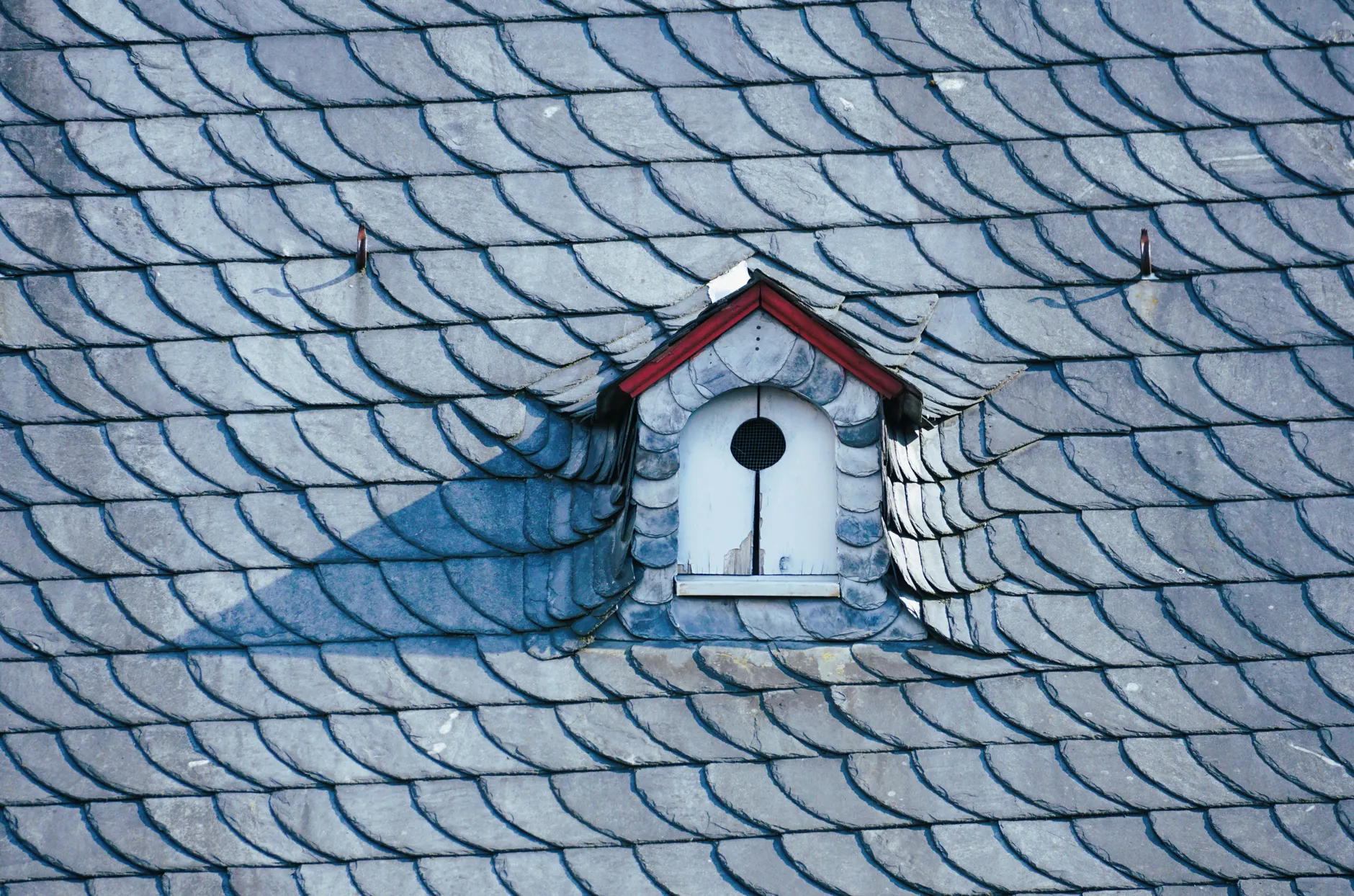
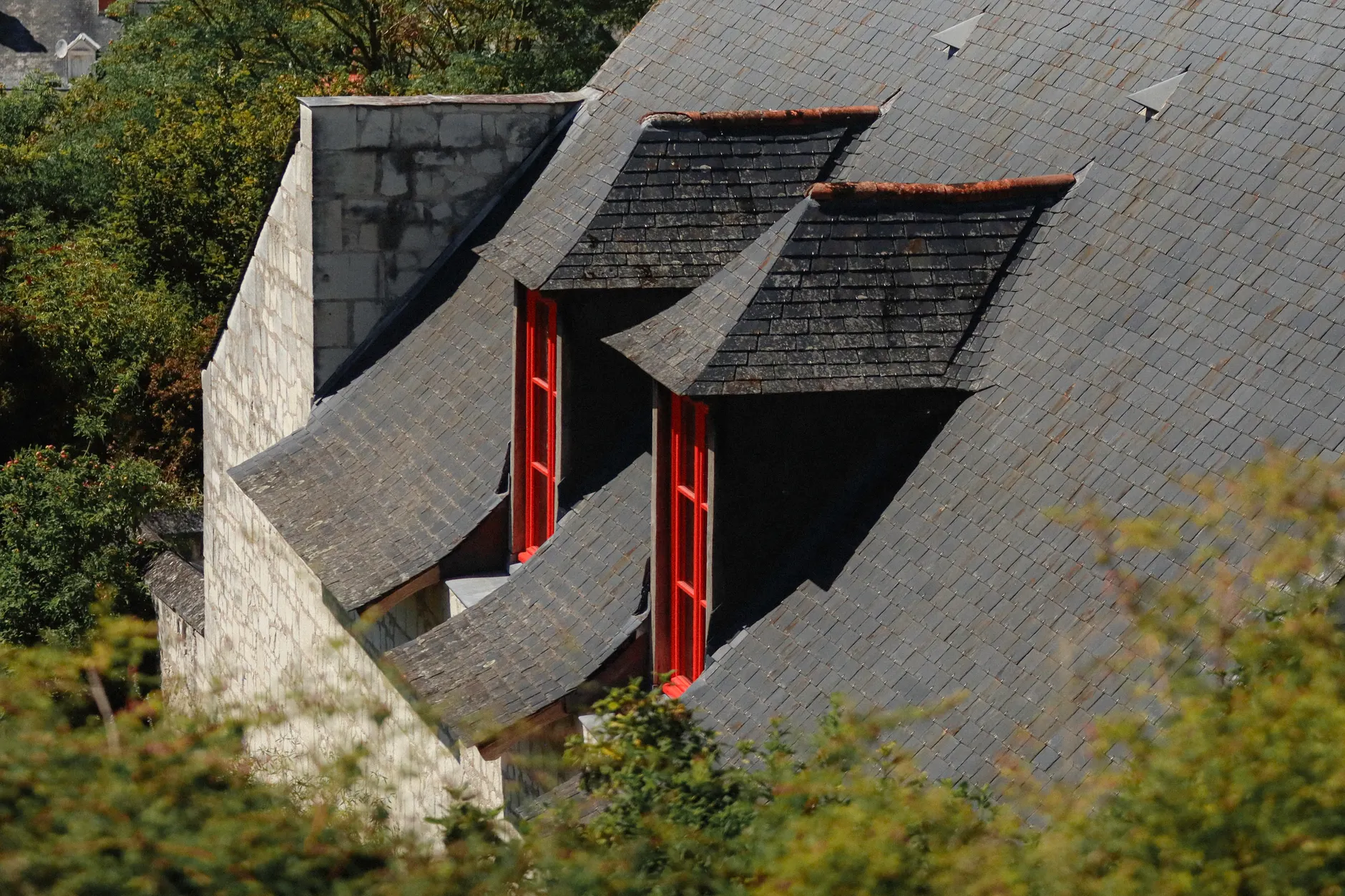
Natural slate lasts for a century or more, but the iron nails that hold it corrode long before the slate wears. The partner company replaces slipped or cracked slates, re-fixes loose courses and, where nails have failed across a pitch, strips and re-fixes whole sections with new fixings. The aim is to match the size, thickness and colour of the existing slate so a repair on a street-facing slope does not stand out.
Clay and Concrete Tile Replacement
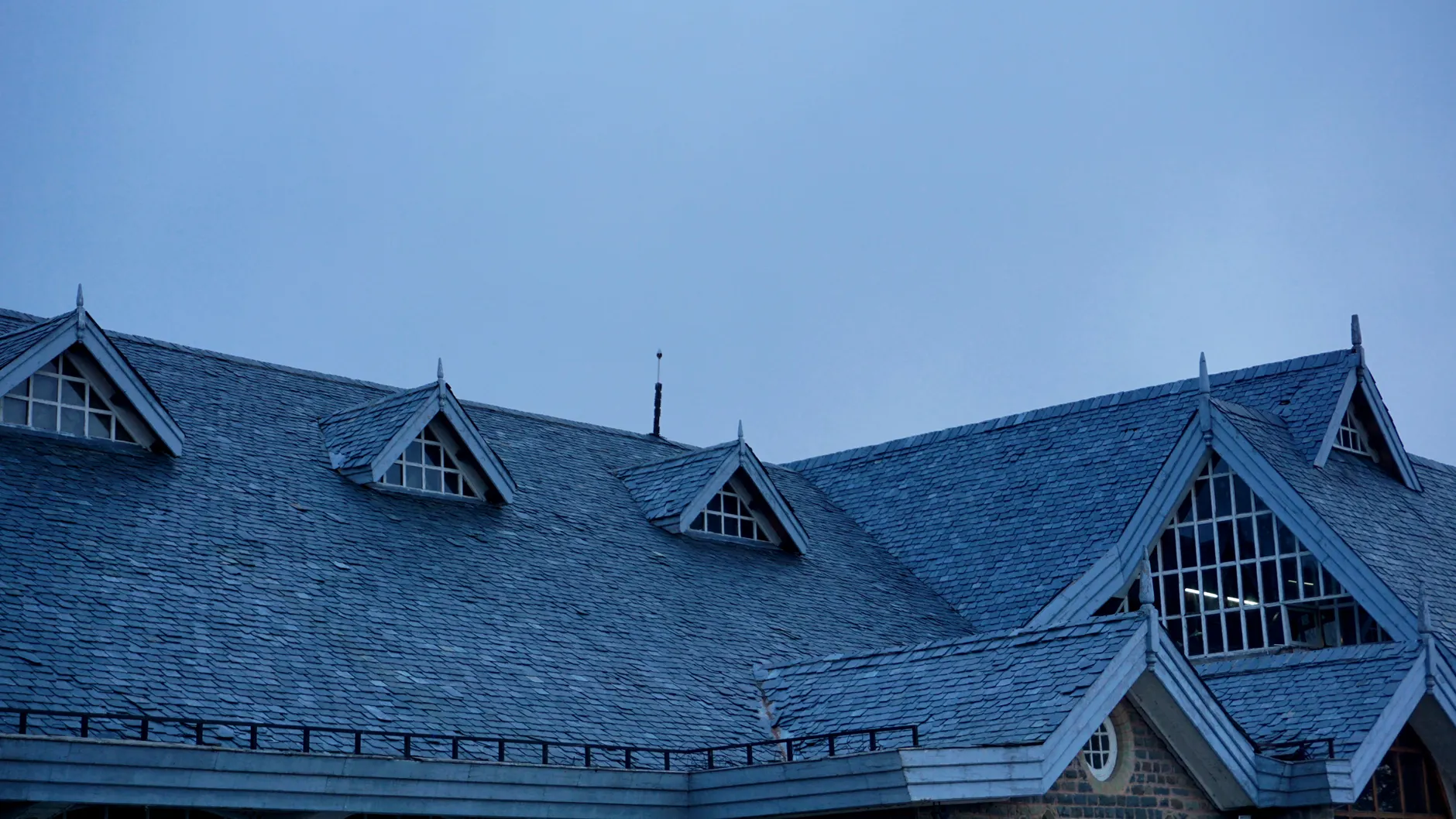
Cracked, broken or slipped clay and concrete tiles are replaced with matching ones, and tired battens or underlay beneath are renewed. Concrete tiles that have gone porous and shed their surface, and clay tiles that have lost their nibs, can signal an ageing roof. A survey will say whether the covering is repairable or approaching the point where a re-roof becomes the more affordable option.
Ridge, Hip and Verge Repairs
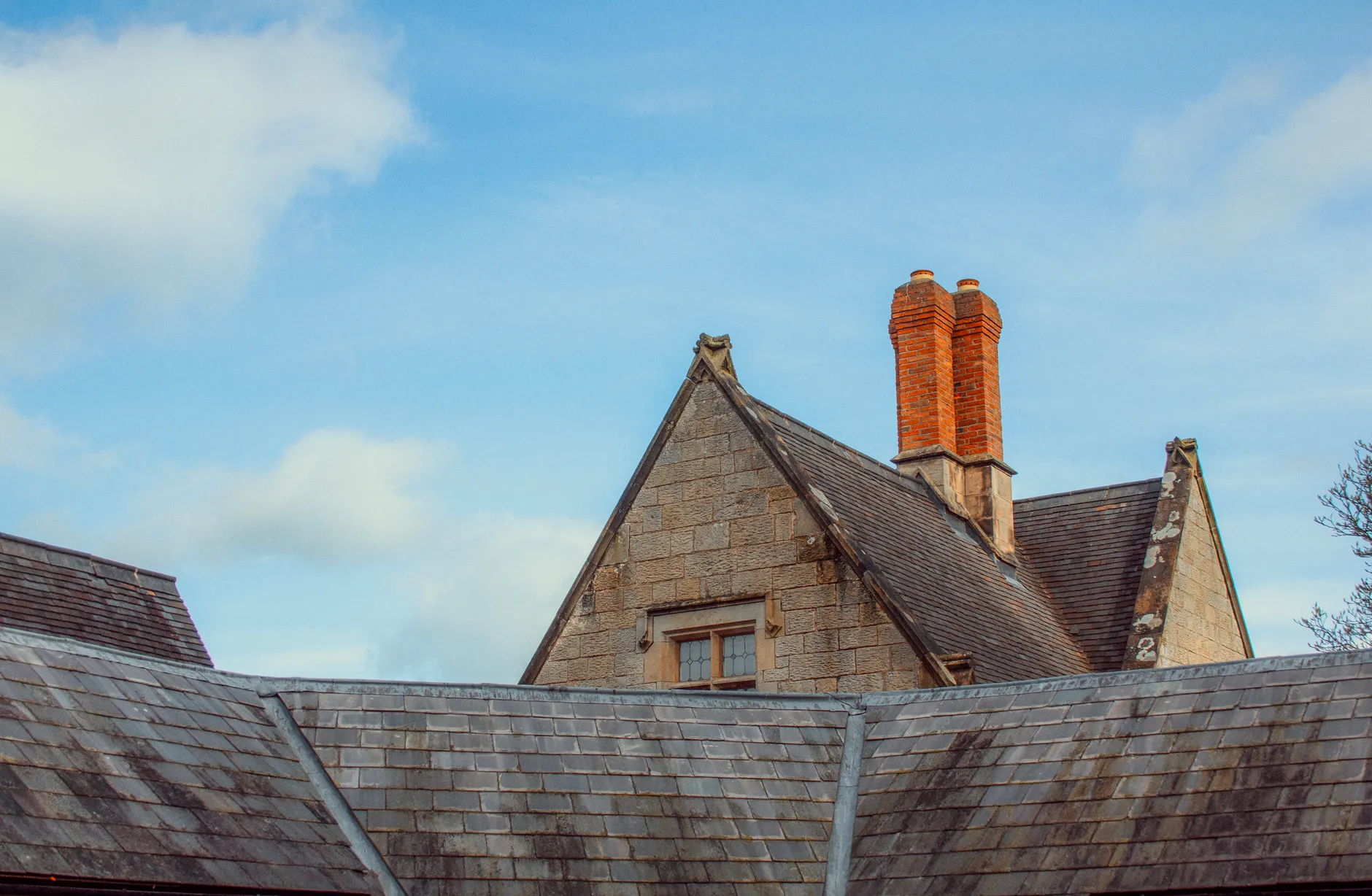
Mortar-bedded ridges crack and drop their pointing, dry-fix systems can go brittle and lift, and verges loosen at gable ends. Re-bedding or re-fixing ridge and hip tiles mechanically to BS 5534 restores the roof's weather line, and checking the abutments beneath finds the junctions most likely to leak next. Published London guides put ridge tile re-bedding at roughly £80 to £300 or more.
The Benefits
What Careful Slate and Tile Work Gives You
The difference between a repair that disappears and one that stands out, or fails, comes down to matching and fixing.
Like-for-Like Matching
Slate varies in size, thickness, colour and texture, and tiles in profile and colour. Matching is what keeps a repair from standing out, and on protected streets it is often required. The partner company will tell you what is available and what is likely to be accepted.
Fixings That Resist the Wind
BS 5534 expects mechanical fixing so that tiles and slates resist wind uplift, rather than relying on mortar or gravity. Fixing properly is what stops the same slate slipping or a tile lifting in the next gale.
An Honest View on the Whole Pitch
A survey checks the surrounding courses, battens and underlay, so you know whether a repair is isolated or a sign of wider ageing. If a roof is nearing its end, the partner company will say so rather than patching repeatedly.
Why Us
Slate and Tile Knowledge From Tufnell Park to Barnsbury
We have taken calls from these terraces and villas since 2008.
Welsh Slate and Matching Sources
Many Islington terraces carry Welsh slate, and matching it means knowing the size and thickness to ask for. We flag early whether the existing covering can be reused in part, and what top-up material would fit.
Protected Streets Respected
In Barnsbury, Highbury Fields, Highbury New Park and Tufnell Park, the street frontage is protected. We say at the first call whether like-for-like repair is likely to be straightforward or whether permission may be needed.
From a Slate to a Full Re-Roof
If the survey finds the whole covering has aged out, see replacing the roof; for the junctions, lead flashing repairs; and for single faults, targeted roof repair. Everything we cover are listed together.
Slate and tile roofs need the junctions right as well as the covering. See lead flashing repairs for stacks and valleys, targeted roof repair for leak tracing, and roof cleaning for shaded slopes. The same cover reaches Highbury New Park roofs, Barnsbury terraces and N4 terraces.
Frequently Asked Questions
Why do slates slip on a Victorian roof?
Natural slate itself is very long-lasting, but each slate is held by one or two iron nails, and those corrode over a century or more. When a nail rots through, the slate slides down and leaves a gap. The nails along the same course are the same age, so neighbouring slates often follow. A repair should therefore check the surrounding courses and re-fix where needed, rather than replacing only the slate that fell.
Can slate roofs be repaired or do they have to be replaced?
Most can be repaired if the slate itself is sound. Slipped slates are replaced, loose courses are re-fixed and failed nails are renewed, and slates reused on the roof are matched in size and thickness. A roof only needs replacing when slates are delaminating or breaking across most of the pitch, or when the battens and underlay beneath are rotten. The survey will set out the repair option and the replacement option with figures.
How do clay and concrete tiles fail?
Clay tiles can crack, lose their nibs or spall in frost, while concrete tiles gradually shed their surface, go porous and become brittle with age. In both cases the underlay and battens beneath often tire at the same pace. A few broken tiles are an easy repair, but widespread failure suggests the covering is ageing out. The partner company will tell you which stage your roof has reached.
What does BS 5534 require?
BS 5534 is the code of practice for slating and tiling, covering design, fixings, underlay and details. Its current version expects tiles and slates to be mechanically fixed to resist wind uplift, rather than relying on gravity or mortar. It also deals with how ridges, verges, valleys and abutments should be finished. We describe the work as built to it, rather than claiming any separate badge.
How much does it cost to replace a tile or re-bed a ridge in London?
Published 2026 London guides put a single tile replacement at about £80 to £150 and re-bedding ridge tiles at roughly £80 to £300 or more, depending on length and access. Scaffolding, where required, adds £500 to £1,200. These ranges are indicative only. The partner company gives a written quote after surveying your roof, and that is the figure that counts.
Can you match old Welsh slate?
Often yes, either by reusing sound slates stripped from elsewhere on the roof or by sourcing new or reclaimed slate of similar size, thickness and colour. Perfect matching is rarely possible with weathered slate, so repairs are usually made with the best available match and kept to the least visible area. On a protected street, the partner company will advise what is likely to be acceptable.
Do Tufnell Park villas have special roofing needs?
Tufnell Park, developed from 1845 with a scheme sponsored by Henry Tufnell and designed by John Shaw Jr, has solid Victorian villas typically roofed in slate with chimneys, valleys and decorative details. Parts of it sit in the Tufnell Park conservation area, so like-for-like repair matters. The larger villa roofs have more valleys, hips and abutments, which are where leaks usually begin.
Do I need permission to change slate for tile or the reverse?
In an Islington conservation area, changing the roofing material on a street-facing elevation usually needs planning permission, because the council has applied Article 4 directions to 40 of its 42 conservation areas. On a listed building it can also need listed building consent. Like-for-like repair generally does not. Check with the council before agreeing a change, and the partner company will flag it at survey.
What is a dry ridge system?
A dry ridge system fixes ridge tiles mechanically with clips and a ventilated underlay strip, in place of a mortar bed. It is quicker to fit, less prone to cracking and allows a roof to breathe, but on some older roofs a traditional mortar ridge suits the building better. The partner company will advise which is right, and how it should be fixed to meet BS 5534.
Who does the work and who takes payment?
An independently owned partner roofing company does the work, not an in-house crew of ours. It surveys, quotes in writing, carries out the repair, then invoices you and takes payment directly. We handle no payment or invoices, we text you the company's name before anyone arrives, and if anything goes wrong you ring 07883 305739 and we chase it. See how the partner network runs for the whole process.
Slipped Slate or Cracked Tile? Get It Looked At
A partner roofing company surveys and quotes in writing. Call 07883 305739.
07883 305739